
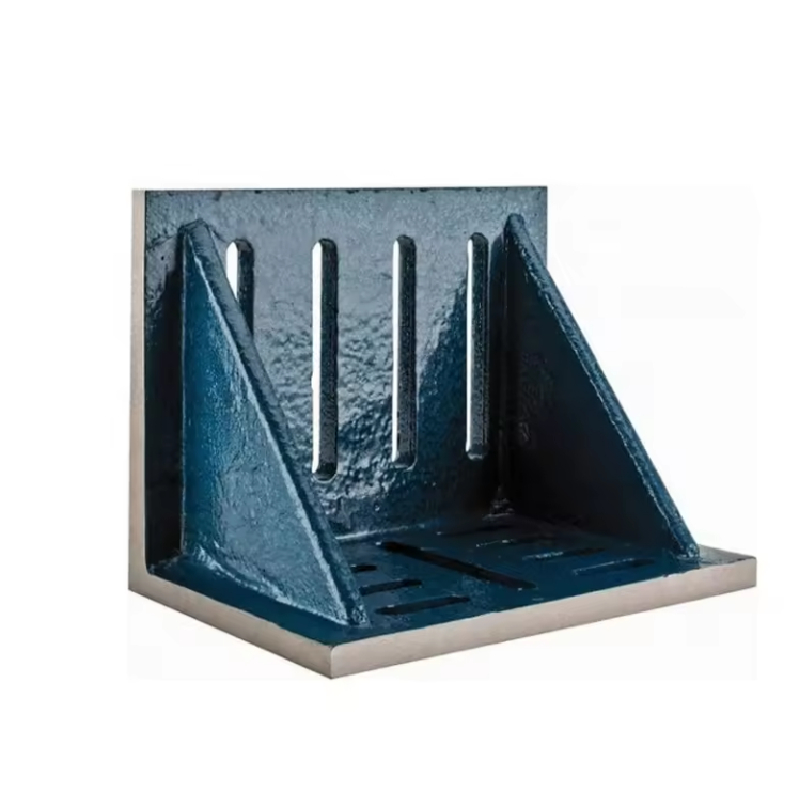
frameless rectangle mirror
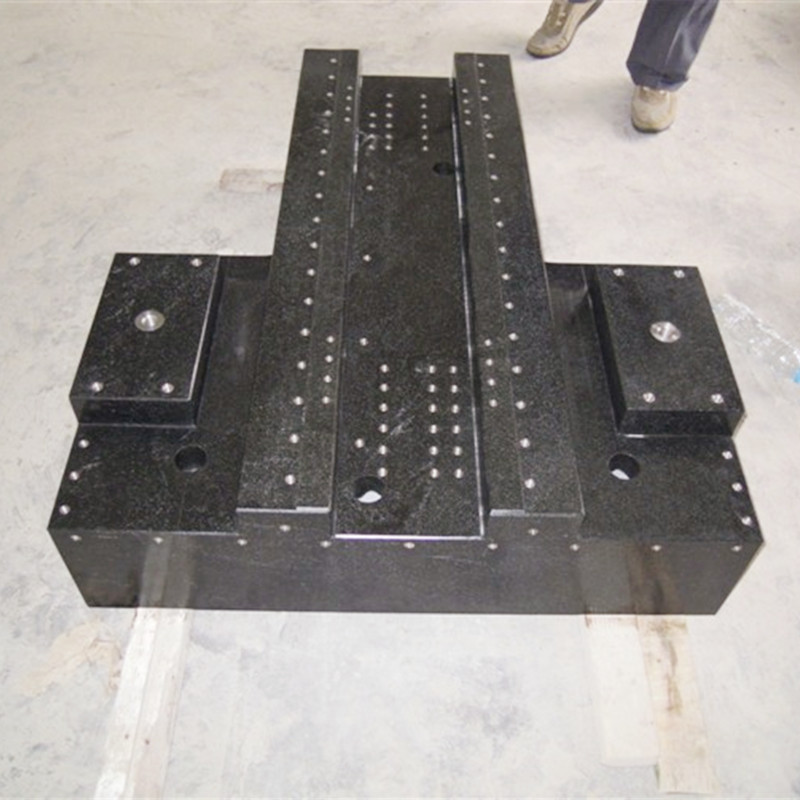
The Importance of Large Granite Surface Plates in Precision Measurement In the realm of manufacturing and engineering, precision is paramount. Whether it’s in the crafting of intricate components or the assembly of complex systems, the accuracy of measurements directly influences the overall quality and efficacy of the end product. One essential tool that has gained prominence in ensuring precision is the large granite surface plate. This article delves into the characteristics, uses, and benefits of large granite surface plates in various industrial applications. What is a Granite Surface Plate? A granite surface plate is a flat, solid slab made from fine-grained granite, designed to provide a stable and accurate surface for measuring, marking, and inspecting workpieces. The material's unique properties—such as rigidity, stability, and resistance to wear—make granite an ideal choice for creating a surface plate. Large granite surface plates typically measure several feet in length and width, allowing for the placement of sizeable components and machinery. Characteristics of Large Granite Surface Plates 1. Flatness and Accuracy The most significant attribute of a granite surface plate is its exceptional flatness. These plates are usually manufactured to meet stringent tolerances, ensuring a measurement accuracy that is crucial for high-precision tasks. 2. Durability Granite is a robust material that can withstand the rigors of workshop environments. It is highly resistant to scratches, dents, and thermal expansion, which helps maintain its flatness over time. 3. Non-Absorbent Unlike wooden or metal surfaces, granite doesn't absorb liquids, oils, or other contaminants. This property is vital for ensuring the integrity of measurements and reducing the risk of errors caused by environmental factors. 4. Stability Granite’s natural stability minimizes the effects of temperature fluctuations. It remains inert under varying conditions, making it reliable for precision tasks. Applications of Large Granite Surface Plates Large granite surface plates find application in various fields, including large granite surface plate 1. Manufacturing They are often utilized in machining and fabrication plants for measuring and inspecting finished products and components, ensuring they meet the required specifications. 2. Quality Control In quality assurance departments, granite surface plates serve as the standard reference for measuring instruments. Technicians can assess the accuracy of calipers, gauges, and other tools by comparing them against the flat surface. 3. Tool Calibration Granite surface plates play a critical role in the calibration of tools and machines, ensuring they operate within acceptable parameters and produce accurate results. 4. Research and Development In laboratories and research facilities, large granite surface plates are employed for precise measurements and experiments, especially in fields such as metrology and materials testing. Benefits of Using Large Granite Surface Plates 1. Increased Accuracy The inherent flatness and stability of granite surface plates contribute to more accurate measurements, ultimately leading to improved product quality and consistency. 2. Cost-Effectiveness While the initial investment in a granite surface plate may be substantial, its durability and longevity mean that it often results in significant savings over time. Reduced wear and tear on measuring equipment also contribute to lower maintenance costs. 3. Versatility Large granite surface plates can accommodate a wide range of applications, making them integral to various industrial workflows. Their adaptability means they can be utilized in different settings, including workshops, laboratories, and quality control departments. 4. Ease of Use The smooth, non-porous surface of granite makes it easy to maintain and clean, ensuring that it remains a reliable measuring standard without the complications associated with other materials. Conclusion In conclusion, large granite surface plates are invaluable tools in the pursuit of precision in manufacturing and engineering. Their unique properties, versatility, and long-term cost-effectiveness make them a staple in various industrial applications. As technology continues to advance, the importance of maintaining high standards of accuracy will only grow, solidifying the role of granite surface plates in ensuring the success and quality of modern manufacturing processes. Investing in a large granite surface plate is, therefore, not merely a choice but a strategic decision for quality-oriented businesses.
about
frameless rectangle mirror
Building a Welding Table The Essential Guide Creating a dedicated welding table is a fundamental project for any welder. A good welding table not only provides a flat and stable surface for your projects but also enhances safety and efficiency in your work. In this article, we will guide you through the essential steps and considerations for making a welding table that meets your specific needs. Step 1 Planning Your Welding Table Before starting any construction work, it’s crucial to plan the design of your welding table. Consider the following factors 1. Size Determine the dimensions based on your typical projects. A standard size varies, but a good starting point is around 4 feet by 2 feet. If you often work on larger projects, you may need to increase the size. 2. Height The ideal height of a welding table should be comfortable for your working stance. Generally, it is around waist height. Some experienced welders prefer adjustable height tables for added versatility. 3. Material The tabletop material is critical. Common choices include steel and aluminum. Steel is more durable and can withstand higher temperatures, making it ideal for welding. Consider using a 1/4-inch or thicker steel plate for the top, as it prevents warping and provides a reliable surface. 4. Portability Decide whether you want a stationary table or a portable one on wheels. A mobile table can be advantageous for small workshops or when workspace is limited. Step 2 Gather Materials and Tools Once you have a design in mind, it’s time to gather your materials and tools. Here’s a basic list - Steel or aluminum sheet for the tabletop - Steel tubing for the frame and legs - Angle grinder - Welding machine - Metal clamps - Measuring tape - Safety gear (gloves, mask, apron) - Level Step 3 Constructing the Frame Start by building the frame of your welding table. Cut your steel tubing to the desired lengths for the table legs and support beams. A common design features a rectangular frame, with four legs at each corner for stability. 1. Weld the Frame Position the cut tubing pieces and use clamps to hold them in place. Tack weld the corners before fully welding to ensure everything is square. making a welding table 2. Add Cross Supports Strengthen the structure by adding cross supports beneath the tabletop. This will prevent sagging and increase the overall stability of the table. 3. Attach Legs Securely attach the legs to the corners of the frame. Ensure they are evenly spaced and square to provide a level working surface. Step 4 Attaching the Tabletop Once the frame is ready, it’s time to attach the tabletop 1. Place the Steel Plate Position the steel sheet on top of the frame. Ensure it overhangs evenly on all sides if that is part of your design. 2. Weld the Top Use even, consistent welds along the edges to secure the tabletop to the frame. Take care to prevent any warping by allowing the metal to cool as you work. Step 5 Finishing Touches After the welding is complete, you should consider a few finishing touches 1. Level the Table Use a level to check the surface. If needed, adjust the legs to ensure the table is perfectly flat. 2. Surface Treatment To prolong the life of your welding table, consider painting it with high-temperature paint or adding a rust-resistant coating. 3. Add Features Many welders enhance their tables with additional features like built-in clamps, storage for tools, or electrical outlets for equipment. Conclusion Making a welding table is a rewarding project that significantly boosts your welding capabilities. It not only provides a flat and sturdy surface but also helps keep your workspace organized and safe. By following these steps and carefully considering your needs, you can build a welding table that serves you well for years to come. Happy welding!
-

High quality industrial productsagement

High quality industrial products
View Details -

Meet the diverse needs of customers

Meet the diverse needs of customers
View Details -

Strict quality control

Strict quality control
View Details -

Top raw materials

Top raw materials
View Details -

Trusted supplier

Trusted supplier
View Details
Our application

news and information
Vanne 100mm prix
Les vannes à guillotine sont des dispositifs essentiels dans de nombreux systèmes de plomberie et d'

Uso del medidor de anillo en la evaluación de dimensiones de referencia.
El uso de calibres de anillo (ring gauges) es una práctica esencial en la industria de la construcci

Válvula de retenção de 6% para aplicações industriais e automotivas eficazes.
Válvulas de Retenção de 6% Importância e Aplicações As válvulas de retenção, também conhecidas como
 English